
The Marikina shoe industry began in 1887 when Don Laureano Guevara, known as Kapitan Moy, disassembled a pair of imported British shoes to study their construction. Alongside local residents, he replicated the design using local materials and taught the craft to his neighbors, establishing a new livelihood for the community. By the mid-20th century, Marikina earned the title "Shoe Capital of the Philippines," producing the vast majority of the country's footwear and even reaching international markets like New York's Fifth Avenue.
Don Laureno
Guevara
July 4, 1851 – December 30, 1891
Founder of the Shoe Marikina Industry
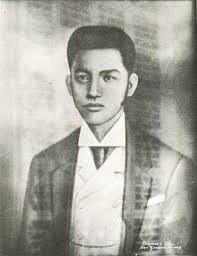
Source: Philippine Cultural Education
Kapitan Moy sparked a pioneering craftsmanship that quickly evolved from a single experimental pair of shoes into a vital source of income for the entire community. By the turn of the century, the town's skilled artisans had perfected their techniques, transforming the area into a premier manufacturing center.
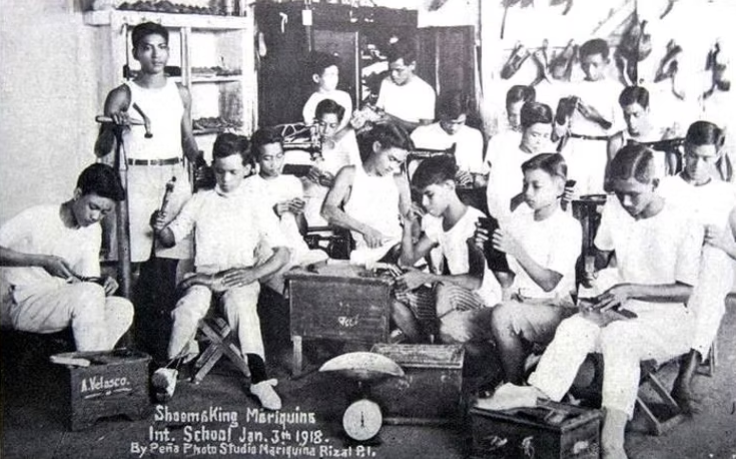
Throughout the 20th century, the city entered its golden age as expertise was passed down through generations, building a global reputation for both resilience and style. At its peak, local workshops produced millions of pairs annually, turning Filipino craftsmanship into a profound point of national pride.
Despite a significant downturn caused by the influx of global imports in the late 1900s, the community's resilient spirit remained intact. Craftsmen successfully pivoted from mass production toward a more specialized, artisanal approach. This strategic shift preserved the core traditions of the trade while opening doors for modern innovation in design and materials.
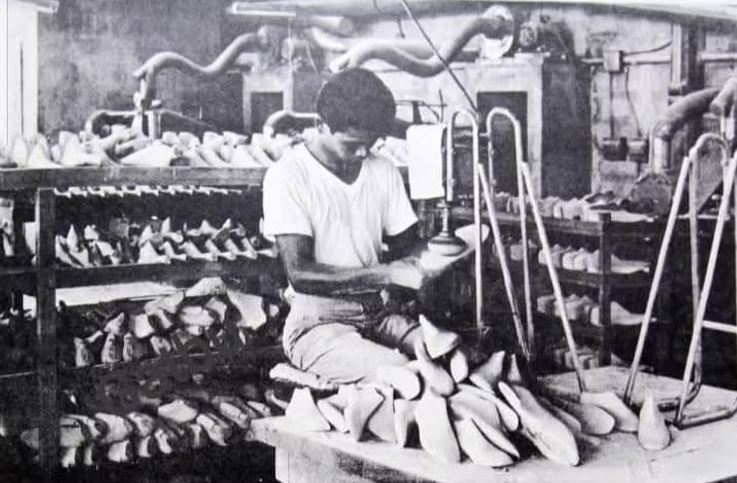
Today, the city's shoemaking heritage remains a central part of its identity, supported by local government initiatives and cultural landmarks like the Shoe Museum.
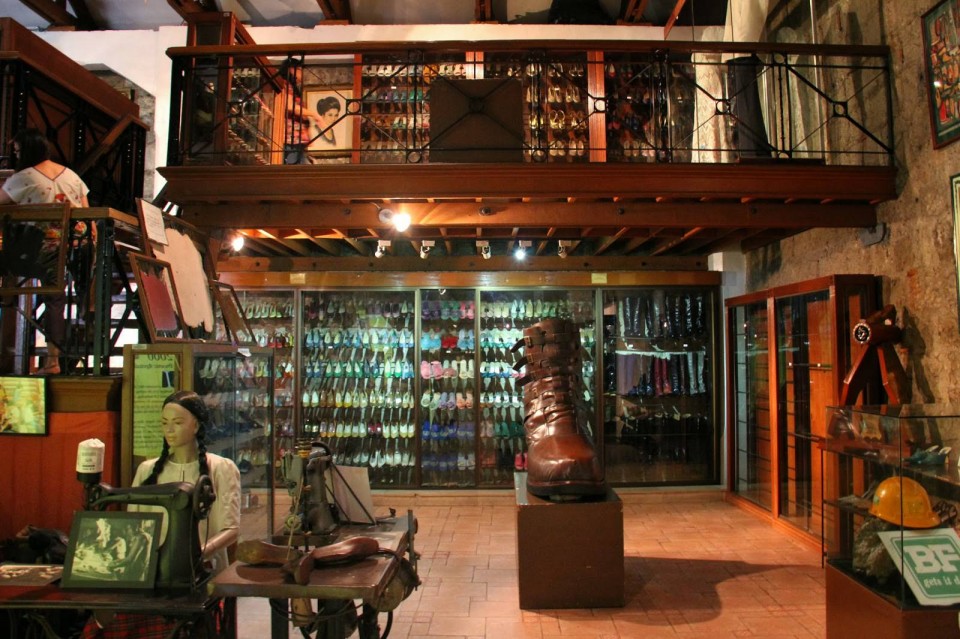
Sole of Marikina is a creative initiative dedicated to revitalizing and celebrating the rich heritage of the Philippines' shoe capital. By bridging the gap between traditional craftsmanship and modern design, the project serves as a platform to uplift local artisans and showcase the enduring quality of Marikina-made footwear. Through its focus on storytelling and community-led innovation, it aims to ensure that the city's shoemaking legacy continues to walk forward into the future.